Seasonal Lavender Care Calendar for Temperate Gardens
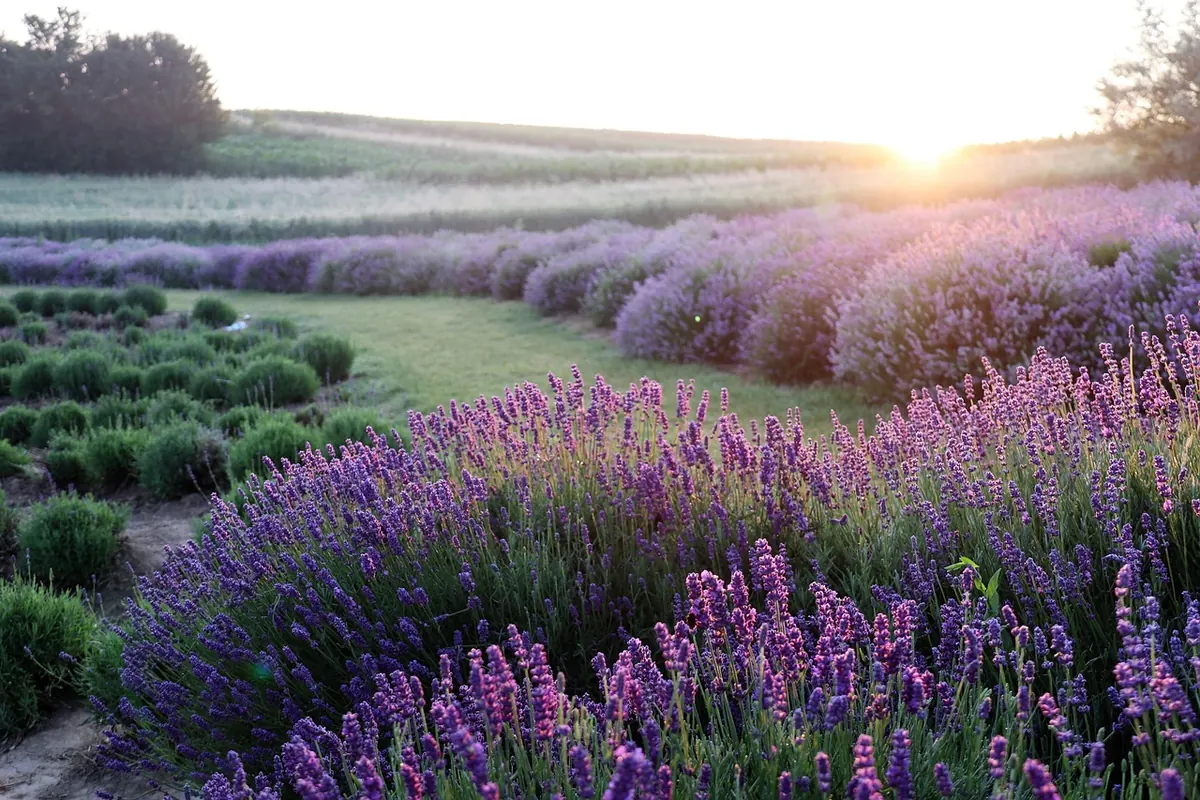
Lavender has a reputation for being tough and undemanding, which is mostly true — and also the reason so many plants give up in their third or fourth year. The trouble is rarely neglect. It is timing. A hard prune in October, a rich mulch in April, a generous watering in July: each is well meant and each can shorten a lavender's life. What follows is a year of work arranged by season, written for temperate gardens where winters freeze, summers may or may not bring rain, and the soil is often heavier than lavender would choose for itself. Treat it as a rhythm rather than a rigid timetable, because your last frost date, your drainage and your summer humidity will shift every date by a few weeks.
Spring: Wake the Plant, Don't Push It
Spring is the season of the secateurs, and the single most important thing you will do all year. Wait until you can see fresh silver-green shoots breaking from the base of the plant — late March in a mild year, mid-April in a cold one. Then cut last year's stems back to just above that new growth, taking perhaps a third of the plant's height.
The rule that matters: stop while there are still leaves on the stems you are shortening. Cutting into the bare, woody base leaves wounds that lavender rarely heals, and a plant pushed too far may sulk for a season or die outright. On an old, sprawling specimen, work in stages over two or three years rather than trying to rebuild it in one afternoon.
Prune lavender like a hedge, not like a rose: shape the soft growth, and never saw into the old wood.
Once pruned, leave it alone. Lavender comes from stony Mediterranean hillsides and does best on lean ground. A shovelful of garden compost or a nitrogen-rich feed encourages soft, floppy growth that collapses in the first autumn gale and winter-kills far more readily than modest growth would. If your soil is heavy clay, a top dressing of horticultural grit around the plant is worth more than any fertiliser.
Spring is also planting time in cold gardens, and the safest moment for setting out new plants: after the last hard frost, on a slight mound if drainage is doubtful, watered once and then left to find its own roots.
Early Summer: The Harvest Window
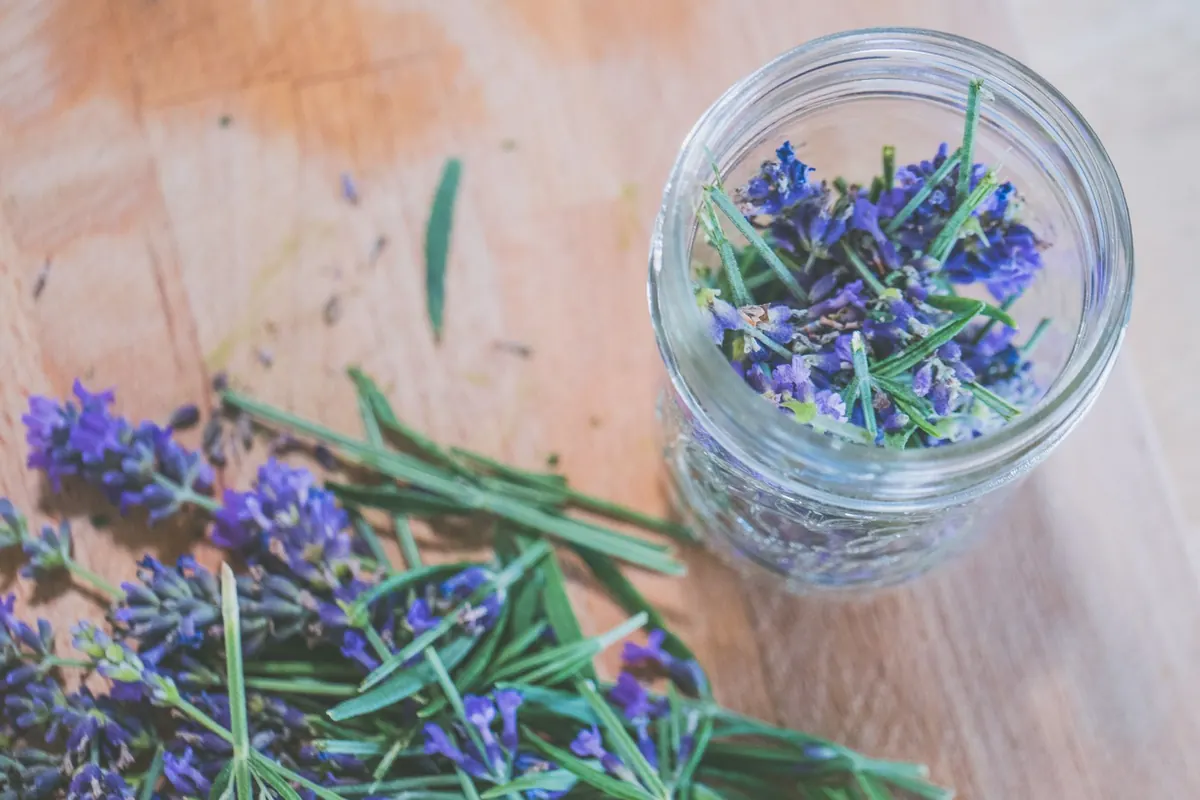
The oil content in lavender peaks just as the buds colour up and the first flowers begin to open — not when the stems are in full, blowsy bloom. Cut then, in the morning once the dew has dried, taking stems long enough to include a couple of leafy pairs. That hard-ish cut does two jobs at once: it gives you a bundle to hang upside down in a dark, airy room, and it keeps the plant compact.
Watering is where most summer losses begin. An established lavender in open ground will usually see out a normal summer without any help at all; its roots go deep and it dislikes wet feet far more than dry ones. Water deeply and infrequently if you must, and never overhead in humid weather, which invites botrytis into the flower spikes. Plants in pots are a different matter: they need regular attention, and a pot that dries out completely is hard to bring back.
Late Summer: The Second Shape
Once flowering finishes, tidy the plant rather than attacking it. Shear off the spent flower stems and the top centimetre or two of growth, again keeping well clear of the old wood. If you want more lavender for free, this is the moment for cuttings: take semi-ripe, non-flowering shoots about 8–10 cm long, strip the lower leaves, and push them into gritty compost in a shaded cold frame or a pot on a cool windowsill.
In humid climates, late summer is also the time to open things up. Trim back neighbouring perennials that flop over your lavender, clear fallen leaves and spent flower heads from the crown, and resist the urge to crowd new plants together. Air moving through a lavender is worth more than any spray.
Fall: Roots, Drainage and Restraint
In gardens with mild winters, early fall is the best planting window of the year: the soil is still warm, autumn rain does the watering, and roots establish before the cold sets in. In harsher zones, hold new plants until spring rather than risking them in their first winter.
What fall should not include is a hard prune. Cutting lavender back in October leaves soft, open wounds going into frost, and any regrowth that follows is tender and easily damaged. A light tidy is plenty. Skip the fertiliser entirely, and if you mulch, use grit or gravel rather than bark or compost, keeping it clear of the crown so the base of the plant stays dry.
Potted lavender deserves a little thought now. Raise the pot onto feet so water drains freely, move it against a sheltered wall, and consider wrapping the pot itself — not the foliage — with bubble wrap or hessian. Cold is rarely the killer; a pot that freezes solid while sodden is.
Winter: Protect the Crown, Not the Top
Winter is mostly a matter of leaving things be. Check that drainage runs away from the plants, knock heavy snow off low hedges of lavender before it bends stems permanently, and clear any matted leaves from around the collar. Do not water, do not feed, and do not tidy with secateurs in your hand.
Use the quiet weeks for the jobs that pay off later: sharpen and clean your tools, order replacement plants of the varieties that struggled, and note where the drainage failed. If a plant has died over winter, look at the ground beneath it before blaming the frost — water sitting in a hollow is the usual culprit.
A Year at a Glance
- Early spring: prune once new growth shows at the base; top-dress heavy soil with grit; plant out after the last hard frost.
- Late spring: check drainage, remove weeds competing at the crown, water new plants only if the weather turns dry.
- Early summer: harvest flower stems at bud-break; water established plants sparingly, pots regularly.
- Midsummer: deadhead spent blooms to keep the shape and encourage a second flush.
- Late summer: light shear after flowering; take cuttings; open up airflow around plants.
- Early fall: plant in mild climates; no hard pruning, no feeding.
- Late fall: clear fallen leaves, raise pots onto feet, wrap containers if frosts are severe.
- Winter: knock off snow, check drainage, sharpen tools, plan next year's planting.
Let the Plants Set the Dates
The dates in any calendar are approximations; the plants themselves are more reliable. When the forsythia opens, prune. When the bees are working the flower spikes and the buds are swelling but not yet open, harvest. When the last flowers fade and the evenings cool, shear lightly and take cuttings. Write those observations in a notebook next to the dates, and within two or three years you will have a calendar tailored to your own garden — one far more useful than anything printed in a book.
The rest is restraint. Lavender rewards a light hand: lean soil, sharp drainage, one good prune, and long stretches of being left alone. Do less, at the right moment, and a plant that can live a decade will often live considerably longer.
Photo: manfredrichter / Pixabay