Lavender Sugar Recipe: How to Make and Use It
A jar of lavender sugar looks like a small luxury, but it begins with two ordinary things: granulated sugar and dried lavender buds. The sugar carries the scent, the buds supply the flavor, and the whole batch comes together in less time than it takes to heat the oven. Keep a jar near the teapot, another in the baking cupboard, and you will find uses for it all year: stirred into lemonade, creamed into butter for shortbread, or packed into a small jar as a gift.
Choose Buds You Would Be Happy to Eat
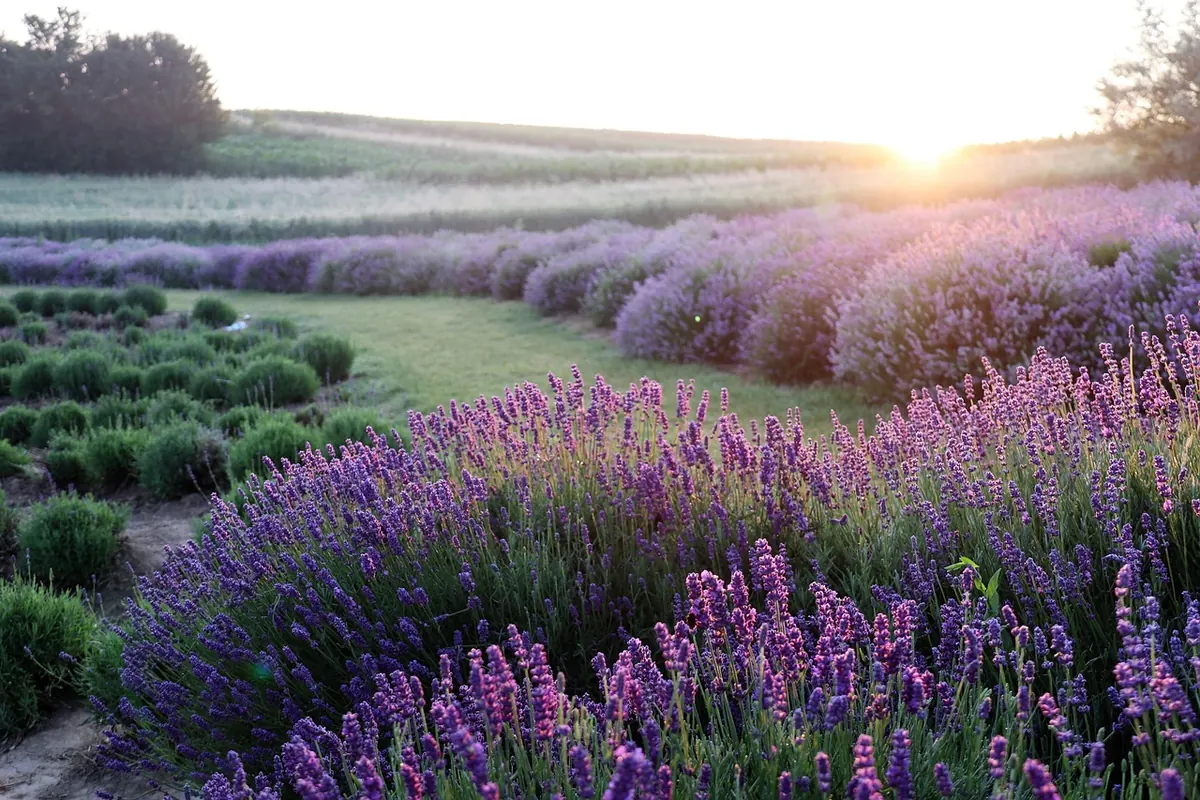
Lavender sugar is only as good as the buds you put into it. English lavender, Lavandula angustifolia, is the usual choice for cooking because its flavor is sweet and floral rather than soapy. French and Spanish lavenders tend to be more camphor-like, and lavandin hybrids can be very strong. If you only have a lavender plant in the border and you do not know its variety, admire it but do not eat it.
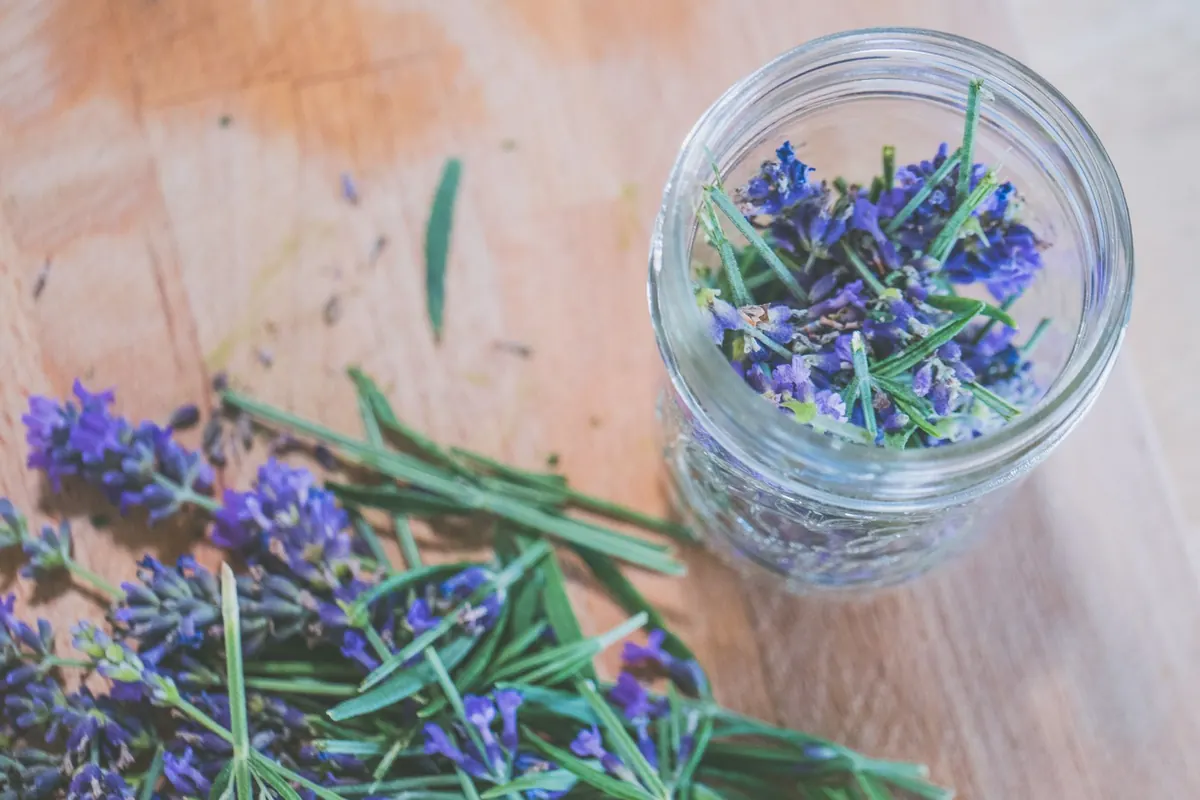
Use lavender that has been grown for culinary use and has not been sprayed with pesticides. Garden centers often sell plants for ornamental display, so ask before harvesting. If you grow your own, cut the flower spikes in the morning after the dew has dried and before the flowers are fully open. Tie them in small bundles, hang them in a dark, airy room, and wait until the buds feel dry and almost papery. Strip the buds from the stems and discard any leaves or woody pieces. Damp buds will cake in the sugar and can spoil the batch.
A good starting ratio is one tablespoon of dried buds to one cup of granulated sugar. That gives a fragrant sugar that is strong enough to taste but not so floral that it overwhelms a cake. You can increase the buds to two tablespoons if you want a more intense jar, or use a milder ratio for delicate bakes. Write the ratio on the label; next year you will be glad you did.
The Basic Recipe
You need very little equipment: a bowl, a jar, and either a food processor or a little patience.
- 1 cup granulated sugar
- 1 tablespoon dried culinary lavender buds
- A clean, dry jar with a tight-fitting lid
Quick Method
- Put the sugar and lavender buds in the bowl of a food processor.
- Pulse in short bursts, about ten to fifteen times, until the buds are broken up and the sugar smells distinctly floral.
- Stop before the mixture turns into powder unless you want a finer sugar for dusting. Overprocessing warms the sugar and makes it damp.
- Sift through a fine-mesh sieve if you want a smooth sugar with no visible bud pieces. Keep the larger pieces for tea or discard them.
- Store in an airtight jar in a cool, dark cupboard.
Slow Infusion Method
- Layer the sugar and buds in the jar, starting and ending with sugar.
- Seal the jar and shake well.
- Leave it in a cool cupboard for one to two weeks, shaking the jar every day or two.
- Sift out the buds if you prefer, or leave them in for a prettier jar and a slightly stronger flavor.
The slow method gives a softer, more even flavor, while the quick method is useful when you need lavender sugar today. Both keep for several months in a sealed jar. If the sugar smells dusty rather than floral, or if it has clumped from moisture, start a fresh batch.
How to Use Lavender Sugar in Baking
Use lavender sugar where sugar has a chance to shine. Shortbread, scones, sugar cookies, pound cake, muffin tops and streusel all take kindly to it. For cookies and cakes, cream the lavender sugar with butter as you normally would; the floral note opens up as the butter warms. For a simple finish, sprinkle a spoonful over buttered pie crust before baking or dust it over warm shortbread.
Start by replacing a quarter to half of the sugar in a recipe, then taste the finished bake and adjust next time. Lavender can be subtle in one batch and assertive in another. In meringues, lavender sugar can replace the sugar called for, but keep the amount the same because sugar controls the structure. For custards and ice cream bases, infuse the sugar into the warm liquid, then strain if you want a smooth texture. A teaspoon stirred into whipped cream is enough for a bowlful.
Drinks and Everyday Uses
Stir a teaspoon of lavender sugar into hot black tea or a cup of chamomile. It dissolves slowly, so give it a moment. For lemonade, make a quick syrup: warm equal parts lavender sugar and water until the sugar dissolves, cool, then mix with lemon juice and cold water. The same syrup works in iced tea, a gin and tonic, or a glass of sparkling water with a slice of lemon.
For cocktails and mocktails, rub a little lavender sugar around the rim of a glass before filling it. A small spoonful in coffee is pleasant if you like floral notes, but use it sparingly. Lavender sugar also makes a good finishing sugar for fruit: toss strawberries with a little before they macerate, or sprinkle it over sliced peaches before grilling.
Packaging and Gifting
Lavender sugar is an easy gift because it looks generous and costs little to make. Use small, clean jars and fill them to the shoulder. Label each jar with the date and the ratio of buds to sugar. Add a tag with three suggested uses, such as “stir into tea,” “sprinkle on shortbread,” and “rim a lemonade glass.” A handwritten recipe card for lavender shortbread makes the gift complete.
If you are giving the jar to a baker, include a note that the sugar can replace up to half the sugar in a recipe. Pair it with a small tea strainer, a wooden spoon, or a bag of loose tea. Keep the jars out of direct sunlight and do not seal them while the sugar is still warm. A cool, dark shelf is the right home for a gift you want to last.
A Small Batch Worth Making
Begin with one cup of sugar and one tablespoon of dried buds. Shake the jar, wait a week if you can, and use the sugar in the next batch of scones or the next glass of lemonade. If the flavor is too shy, add another half tablespoon of buds and let it sit again. If it is too strong, blend in more plain sugar.
Use only culinary-grade lavender, keep the amounts modest, and check with a qualified professional if you have health concerns or are pregnant. A little lavender sugar goes a long way, and a jar made now will still be giving pleasure when the garden is bare.