10 Lavender Growing Mistakes That Cause Leggy, Sparse Plants
Lavender has a reputation for being tough, and it is — in the right place. Give it the conditions it evolved for and you can more or less ignore it for a decade. Give it conditions it merely tolerates, and it responds in the only way it can: by stretching. Long, pale, floppy stems. Wide gaps between leaves. A plant that opens up in the middle like a bird's nest and flowers for three weeks instead of three months.
That sparse, leggy look is rarely bad luck and almost never disease. It is the plant reaching for light, or growing soft and fast when it should be growing compact and woody. Below are the ten mistakes behind most disappointing lavender, grouped where they overlap, with the fix for each. Correct two or three of them this season and you will see the difference by next summer.
Mistake 1 and 2: Feeding It Like a Tomato, and Planting It in Rich Soil
Lavender comes from thin, stony, sun-baked ground. Its roots are built for lean conditions, and it does not thank you for kindness. Compost dug into the planting hole, a dressing of manure in spring, a general fertiliser alongside the roses — all of it produces soft, sappy growth that flops open and rarely hardens before winter.
The fix is mostly about withholding. Plant into poorer soil than you would give a rose. If your garden soil is heavy or rich, mix in plenty of coarse grit and horticultural sand, and plant on a slight mound so water runs away from the crown. Skip the fertiliser entirely. The one exception is a genuinely pale, struggling plant in very sandy soil, which may benefit from a light scatter of a low-nitrogen feed in early spring — but never a nitrogen-rich one.
Mistake 3: Planting It in Less Than Full Sun
Shade is the fastest route to a leggy lavender. In less than six hours of direct sun a day, stems lengthen as the plant searches for light, leaves space themselves further apart, and flowering drops off. Dappled shade under a tree is worse than it looks, because the plant also competes for water and nutrients.
Move pots into the brightest spot you have, ideally with sun from mid-morning through late afternoon. If a plant sits against a wall and only gets light from one side, it will lean and bare its back — turn the pot a quarter turn every few weeks through the growing season. In a border that gets too little sun, no lavender will truly thrive. Choose a different plant rather than fight it, and save yourself two years of trimming and hoping.
Mistake 4 and 5: Watering on a Schedule, and Ignoring Drainage
Overwatering is the quiet killer. Lavender tolerates dry far better than damp, and constant moisture softens growth and rots the crown. The telltale signs are yellowing lower leaves, a plant that droops even though the soil is wet, and bare stems in the centre with foliage only at the edges. Watering little and often is the worst pattern of all — it keeps the top layer permanently damp and the roots shallow.
Water deeply, then let the ground dry out before you water again. Established plants in a border usually need nothing at all beyond rainfall. In pots, water when the top few centimetres are dry, and never let the saucer stand full.
- Check that every pot has open drainage holes, and clear them of compacted soil.
- Use a gritty, free-draining mix rather than ordinary potting compost — add 20–30% coarse grit.
- Top-dress pots with gravel so the crown stays dry.
- In heavy clay, plant on a raised mound or in a raised bed, and dig grit into the surrounding soil.
- Keep lavender out of the lawn and away from sprinklers and automatic irrigation lines.
Mistake 6 and 7: Planting Too Deep, and Planting Too Close
Lavender's crown — where stems meet roots — needs air. Bury it even a couple of centimetres below the surface and you invite rot and dieback, and the stems that survive will splay outward instead of standing up. Set the plant so the crown sits level with, or slightly above, the surrounding soil, then firm gently and mulch with grit rather than compost.
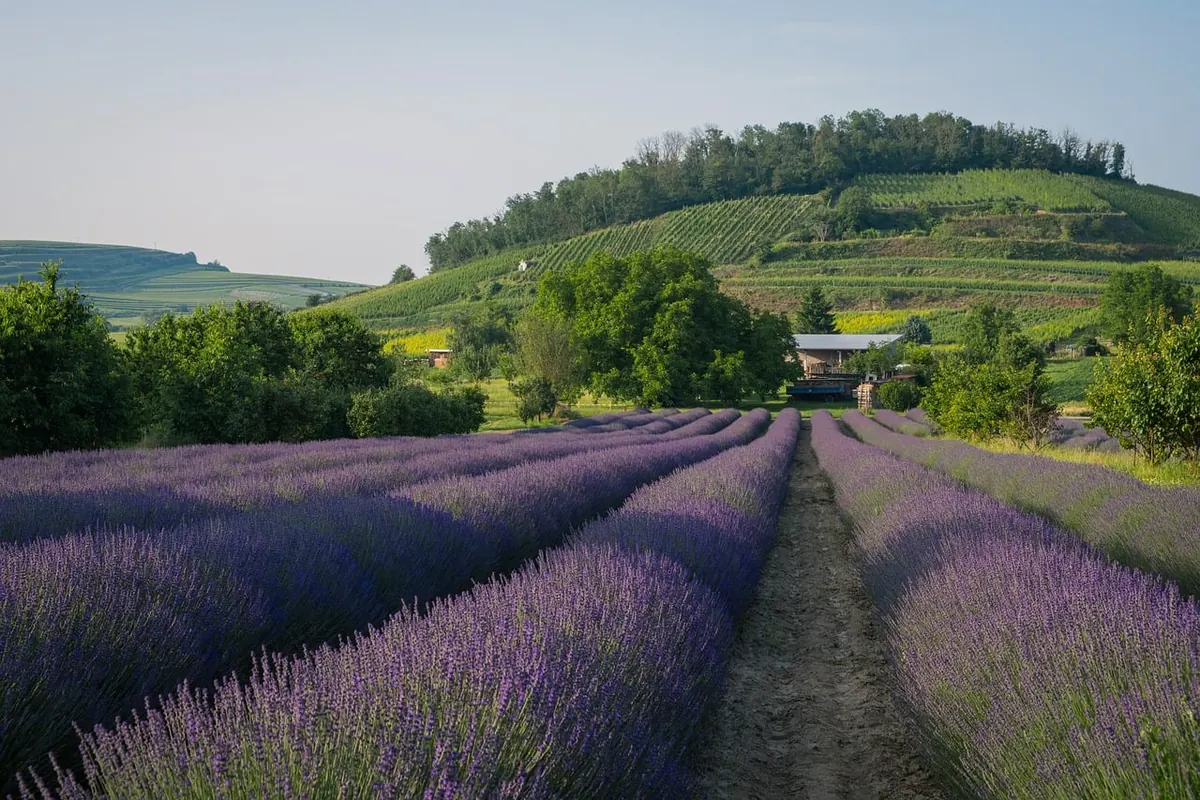
Crowding causes a different kind of legginess. Plants set too close, or swallowed by neighbouring perennials, shade each other at the base; the stems stretch upward and the lower half goes bare. Give small varieties 30–40 cm between plants and the larger lavandins closer to 60 cm, and keep a clear gap around each one so air moves through. A lavender hedge is fine, but it still needs that spacing to stay dense rather than hollow.
Mistake 8 and 9: Not Pruning, and Pruning Too Late or Too Hard
An unpruned lavender builds a long woody skeleton with a tuft of foliage on top. Pruning fixes that, but the timing and the depth both matter, and getting either wrong produces the same bare, woody result.
The right window
In mild climates, cut back straight after flowering, while the plant still has weeks of warm weather to push new shoots that will harden before winter. In colder areas, leave the old flower stems on over winter for protection and prune in early spring, as soon as you see new growth starting. What you should avoid is a hard cut in late autumn, which stimulates tender new growth just as the frost arrives.
How hard to cut
Take the plant back by roughly a third, shaping it into a loose dome. Cut into leafy growth, not into the bare grey wood further down — old lavender wood rarely reshoots, so a cut there leaves a permanent stump and a hole in the middle of the bush. If a plant has already gone bare at the base, work with what is there: trim lightly to keep it tidy, take cuttings from the healthy outer stems in late summer, and plan to replace the parent plant.
Mistake 10: Buying Soft Nursery Plants or the Wrong Lavender
Lavender raised under cover, fed and watered daily, arrives soft and spoilt. It often sulks, drops leaves and stretches in its first season. Look for compact plants with a woody base and tight, grey-green foliage rather than tall, lush, tender growth, and buy in late spring when plants have hardened off.
Choose the type to suit the space, too. English lavender (Lavandula angustifolia) stays compact and is the safest for small gardens and cold winters. Lavandins are larger and looser and need generous room and a firm annual prune. French and Spanish lavenders are showy but tender and floppier, and they need trimming after each flush of flowers. A big lavandin squeezed into a small bed will always look ragged, whatever you do.
A Simple Plan for Fuller Plants
If your lavender is already leggy, work through this over the next season rather than all at once:
- Check the light. Move pots and, if a border plant is truly in shade, accept that it needs replacing.
- Stop feeding and stop mulching with compost; switch to grit.
- Water only when the soil has dried, and fix drainage before anything else.
- Prune after flowering, taking a third off but staying in leafy growth.
- Open up the spacing so air reaches the base of every plant.
- Take cuttings from the strongest outer shoots in late summer, so you have replacements ready when older plants go woody.
Lavender rarely rewards attention. It rewards the right position, lean soil, sharp drainage and one well-timed cut each year — and it answers those four things with a dense, silver bush that flowers for weeks.
Photo: Couleur / Pixabay